
William Turner | Oct 13 2026 13:15
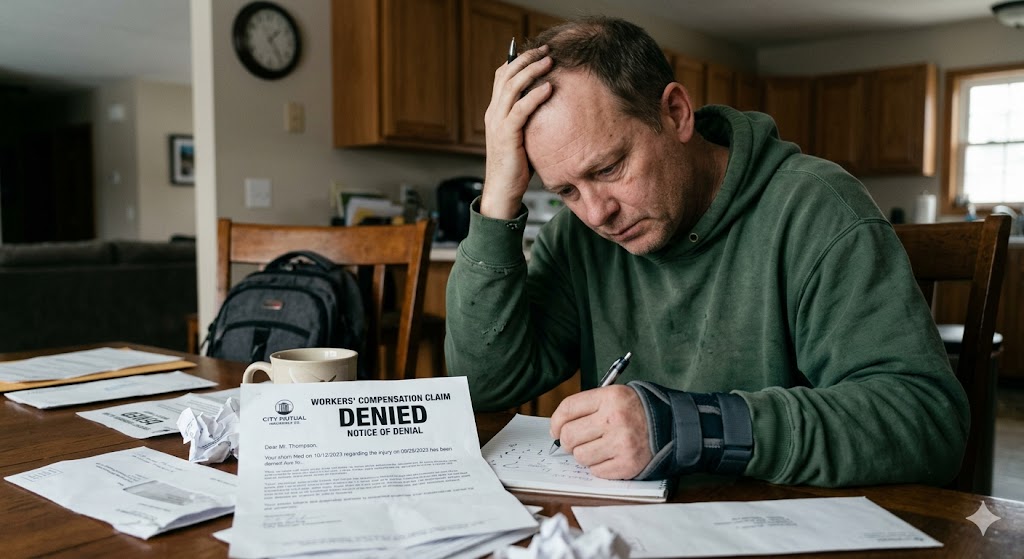
If your Illinois workers’ compensation claim is denied, you still have options. The most important immediate steps are to review the denial letter, file an appeal with the Illinois Workers’ Compensation Commission (IWCC), and speak with an experienced attorney. A Chicago workers’ compensation lawyer at Friend, Levinson & Turner, LTD (FLT Law)
can guide you through the process, protect your rights, and help you pursue the benefits you deserve under Illinois law.
Understanding Why Illinois Workers’ Compensation Claims Are Denied
Before you can successfully appeal a denied claim, you need to understand the reason for the denial. The insurance carrier must explain the basis in its denial letter, but the reasoning may be vague or incomplete. In Chicago workplace injury cases, FLT Law frequently sees the following denial reasons:
- Dispute about whether the injury is work-related. The insurer may claim your injury happened off the job or was caused by a preexisting condition.
- Failure to notify your employer on time. Illinois requires injured workers to report workplace injuries within a limited timeframe.
- Insufficient medical evidence. The insurer may argue that medical documentation does not support your claim.
- Missed deadlines or incomplete paperwork. Technical issues are one of the most common reasons for denial.
- Employer disputes the claim. Your employer may claim the accident never occurred or that your condition is unrelated to your job duties.
No matter the reason, a denial does not mean your case is over. With help from a skilled Chicago workers comp attorney
at FLT Law, you can challenge the decision and continue seeking benefits.
Immediate Steps to Take After a Workers’ Comp Denial
If you receive a denial, take the following steps right away to protect your rights and preserve your ability to appeal:
- Review the denial letter carefully. Identify the exact reason the claim was denied.
- Gather all medical records. Make sure you have complete documentation of your diagnosis, treatment, and work restrictions.
- Notify your employer of continued issues. Keep communication open and maintain a record of your updates.
- Consult an experienced workers’ compensation attorney. A lawyer familiar with Illinois law can quickly identify mistakes, gather missing documentation, and prepare your appeal.
Because deadlines in workers’ compensation cases move quickly, contacting Friend, Levinson & Turner, LTD
as early as possible can improve your chances of success.
How the Illinois Workers’ Compensation Appeals Process Works
The appeals process in Illinois follows a structured set of steps. Understanding the process can help you anticipate what comes next and prepare accordingly.
1. Filing an Application for Adjustment of Claim
Your appeal begins by filing an Application for Adjustment of Claim
with the IWCC. This filing formally disputes the denial and requests review by an arbitrator. Missing this step—or filing it late—can prevent you from pursuing benefits at all, making professional legal guidance critical.
2. Pretrial Proceedings and Evidence Collection
Before a hearing, both sides gather evidence, which may include:
- Medical records
- Employer accident reports
- Witness statements
- Expert evaluations
A knowledgeable Illinois workers compensation lawyer
will ensure all required information is properly compiled and submitted.
3. Arbitration Hearing
An IWCC arbitrator will preside over your hearing. This step functions like a mini-trial, where both sides present evidence and testimony. The arbitrator will then issue a written decision.
4. Commission Review
If the arbitrator rules against you, you can appeal to a panel of three commissioners at the IWCC. The commissioners review the record and may affirm, modify, or reverse the arbitrator’s decision.
5. Court Appeals
If you disagree with the Commission’s ruling, you may appeal to the Illinois Circuit Court, Appellate Court, and potentially the Illinois Supreme Court. These steps require detailed legal filings and strict adherence to deadlines. Having a strong legal advocate—like the attorneys at FLT Law Chicago—can make a critical difference.
Why You Should Work With a Chicago Workers’ Comp Attorney
Appealing a denied workers’ compensation claim can be overwhelming, especially while you are recovering from an injury. FLT Law handles the legal burden so you can focus on healing. Working with our Chicago injury law firm offers key advantages:
- We identify weaknesses in the insurer’s denial. Insurance companies often use vague or inaccurate reasons for denying claims.
- We collect evidence to strengthen your case. Documentation is critical, and our firm knows exactly what the IWCC requires.
- We represent you at all hearings. Our attorneys appear before arbitrators and commissioners on your behalf.
- We protect you from insurance tactics. You don’t have to worry about saying the wrong thing or missing a deadline.
FLT Law has decades of experience representing injured workers and fighting for fair compensation. When you work with Friend, Levinson & Turner, you receive client-centered representation from a trusted Chicago personal injury lawyer
and workers’ compensation advocate.
Common Questions Injured Workers Ask After a Denial
FAQ
Can I still receive benefits if my claim was denied?
Yes. A denial is only the beginning of the appeals process. Many workers ultimately receive benefits after filing an appeal or presenting additional documentation.
How long do I have to appeal a denied claim?
Deadlines vary, but you typically must file your appeal with the IWCC within a limited timeframe. Contacting FLT Law promptly ensures you do not miss critical deadlines.
Do I need a lawyer to appeal a workers’ comp denial?
You are not required to hire a lawyer, but appeals are complex and often involve detailed evidence, medical testimony, and legal argument. Working with an experienced Chicago workers comp attorney
significantly improves your chances of success.
Will FLT Law handle communication with the insurer?
Yes. Once you hire our firm, we take over all communication with the employer and insurance company to protect your rights and reduce your stress.
Where can I learn more about workplace injury cases?
You can explore additional resources at our workers’ compensation information page: Chicago Workers’ Compensation Lawyer – FLT Law.
If your Illinois workers’ compensation claim has been denied, you do not have to face the appeals process alone. Call Friend, Levinson & Turner, LTD at (312) 346-8465 for dedicated legal support and a free consultation.